
Buyer Decision CenterBuyer Decision Center
2026年2月5日
How to Make Your Electric Tricycle Run Longer: 12 Practical Maintenance Tips for Maximum Battery Life
How to Make Your Electric Tricycle Run Longer: 12 Practical Maintenance Tips for Maximum Battery Life Electric three wheeler are widely used in urban logistics, agricultural transport, tourism, and pe
How to Make Your Electric Tricycle Run Longer: 12 Practical Maintenance Tips for Maximum Battery Life
Electric three wheeler are widely used in urban logistics, agricultural transport, tourism, and personal commuting. While the battery capacity and motor quality are critical, daily maintenance and operational habits are the true determinants of vehicle longevity and range. This guide provides 12 actionable tips to help you achieve “ultra-long standby” for your electric tricycle, ensuring reliable performance in any environment, from African rural roads to Southeast Asian city streets.
1. Plan Your Driving Route and Choose the Right Model
Proper route planning significantly reduces energy consumption. Select smooth, flat roads and avoid frequent starts and stops. However, in areas with poor or unpredictable road conditions, such as remote regions in Africa or Southeast Asia, the choice of tricycle model is critical.
Light-duty tricycles: Load capacity 300–500KG, ideal for city streets or village roads.
Medium-high load tricycles: Load capacity 700–1200KG, suitable for rough terrain or hilly roads.
Ultra-high load tricycles: Load capacity 1500KG+, for industrial, construction, or heavy logistics.
Vehicle configuration tips: Motor power should be at least 1000W. Frames should use Q345 steel for load-bearing components, with Q235 steel for non-critical parts. Even if two tricycles look similar, material differences can result in significant performance and cost differences.
2. Control Load Weight to Avoid Overloading
Overloading directly reduces battery range and increases wear on motors and controllers:
Always stay within the vehicle’s rated load.
Exceeding load limits can decrease range by 20–30% and increase motor temperatures to over 60℃.
Use scales or weighing tools to monitor payload. Maintaining appropriate loads extends battery life and reduces maintenance costs.
3. Understand Different Battery Types and Charging Habits
Electric tricycles typically use either lithium-ion or lead-acid batteries, and each type requires specific charging practices.
Battery Type | Operating Temp | Lifespan | Charging Notes | Capacity Drop |
Lithium-ion | -20°C to 60°C | 3–5 years | Avoid discharging below 20%, ensure ventilation during night charging; extend charge time in winter | Drops 10–15% below 0°C |
Lead-acid | 20°C to 25°C | 2–4 years | Avoid discharging below 30%, float charge 1–2 hours in winter, keep battery dry | Capacity decreases 10% per 10°C drop |
Best practices: Charge after every ride, avoid deep discharge too frequently, perform a deep discharge every 1–2 months to reactivate chemical activity. During winter, charge in warmer environments or at midday for optimal efficiency.
4. Temperature Control and Seasonal Maintenance
Battery performance varies with temperature.
Lithium-ion: Low-temperature performance decreases; BMS (Battery Management System) may limit discharge below 0°C.
Lead-acid: Sensitive to temperature drops; every 10°C decrease below 20°C reduces effective capacity by 10%.
Tips for winter and seasonal care:
Preheat the battery by driving slowly for 5–10 minutes before heavy use in cold weather.
Store batteries in dry, ventilated areas. Avoid leaving them exposed to frost, rain, or direct sunlight.
Schedule seasonal checks for battery voltage, connections, and insulation.
5. Tire Pressure, Brakes, Bearings, and Suspension
Small mechanical issues can dramatically affect energy efficiency.
Tire pressure: Under-inflated tires increase rolling resistance and energy consumption. Inflate to manufacturer-recommended PSI.
Brakes: Ensure proper brake adjustment. Tight brakes cause drag, wasting battery power. If brakes are loose or worn, replace brake pads and adjust cables.
Bearings: Lubricate wheel bearings every 3–6 months or when noise/increased friction is detected.
Suspension: Check shocks and pivot points. Replace or lubricate worn components to maintain smooth operation.
Practical maintenance: After detecting irregularities, immediately perform lubrication, pad replacement, or tightening. Ignoring small issues accelerates wear on motors and controllers.
6. Standardize Throttle and Motor Operation
Always turn on the throttle only when seated.
Turn off the power switch when parking or pushing the tricycle.
Avoid simultaneous use of throttle and brakes to prevent motor overload.
Regularly monitor controller temperatures; prolonged overload can damage MOSFETs or fuses.
7. Motor and Controller Protection
Motor and controller are the heart of the tricycle’s drive system:
Avoid sudden full-throttle starts when carrying heavy loads. Gradually accelerate to reduce current spikes.
Keep motor vents clean; accumulated dust increases operating temperature.
Use a thermal sensor or infrared thermometer to check motor temperature after long rides; operating continuously above 70°C can shorten motor life.
For controllers, ensure wiring is intact, connectors tight, and that the controller is free from water ingress or dust accumulation.
Tip: In regions with poor road conditions, choose motors ≥1000W and robust controllers designed for high torque and high current, especially for heavy-load vehicles.
8. Regularly Inspect Electrical Connections
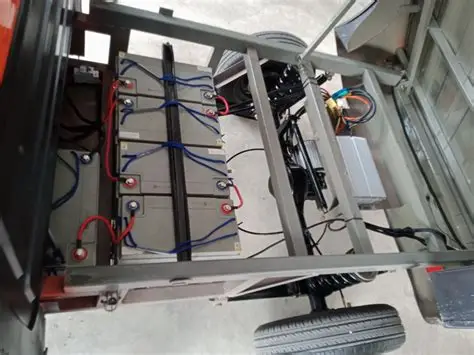
Check battery terminals, plug connectors, and wiring harnesses. Loose or corroded connections can reduce efficiency or cause short circuits.
Inspect the throttle, brake sensors, lights, and horn switches. Replace damaged parts promptly.
Ensure insulation is intact; damaged wiring in rainy or dusty environments is a common cause of battery drain or electrical faults.
9. Cleaning and Basic Maintenance
After riding in rain, snow, or muddy roads:
Use a soft brush to remove mud from wheels, suspension, and underbody.
Wipe electrical components gently with a dry or slightly damp cloth; avoid direct water spray.
Clean battery terminals and connectors; apply dielectric grease if necessary to prevent corrosion.
Remove debris from chain, sprockets, and gear housings. Lubricate as needed.
Minimal-cost approach: A bucket of water, soft brush, microfiber cloth, and bicycle lubricant are enough for routine cleaning.
10. Component Protection and Extreme Weather Guidelines
Purchase battery packs rated IP67 for waterproofing. They can withstand temporary immersion up to 1 meter and heavy rain.
After water exposure, remove battery and dry completely before charging.
In snowy conditions, store the tricycle indoors if possible; avoid exposing battery and controller to freezing moisture.
In dusty or windy environments, clean filters, vents, and motor covers frequently to prevent overheating and wear.
11. Preventive Lubrication and Mechanical Checks
Every 6–12 months, inspect and lubricate: front/rear axles, crankset, suspension pivots, and bearings.
Check tightness of forks, handlebars, central axis, and rear shock mounts monthly.
Replace worn nuts, bolts, or washers to maintain structural integrity.
Tip: Use grease or light machine oil; avoid over-lubrication, which attracts dust.
12. Spare Parts and Proper Replacement Practices
For procurement and long-term operation:
Maintain spare parts inventory: batteries, motors, controllers, brake pads, and tires.
Ensure compatibility: do not modify battery, motor, or controller types arbitrarily. Incorrect replacement can cause safety risks or reduce performance.
Train staff or users to install components according to manufacturer specifications.
Keep a maintenance log to track replacements, inspections, and repairs.
Practical advice: Stocking matched spares ensures minimal downtime and reliable operation for fleet or personal use.
Conclusion
Maximizing the range and lifespan of your electric tricycle is less about purchasing the most expensive model and more about consistent, practical maintenance. By following these 12 steps—route planning, load management, battery-specific charging, seasonal care, mechanical inspections, electrical checks, cleaning, and spare parts management—you can significantly extend both the performance and life of your tricycle, ensuring “ultra-long standby” even under harsh conditions.