Heavy Duty Industrial Platforms
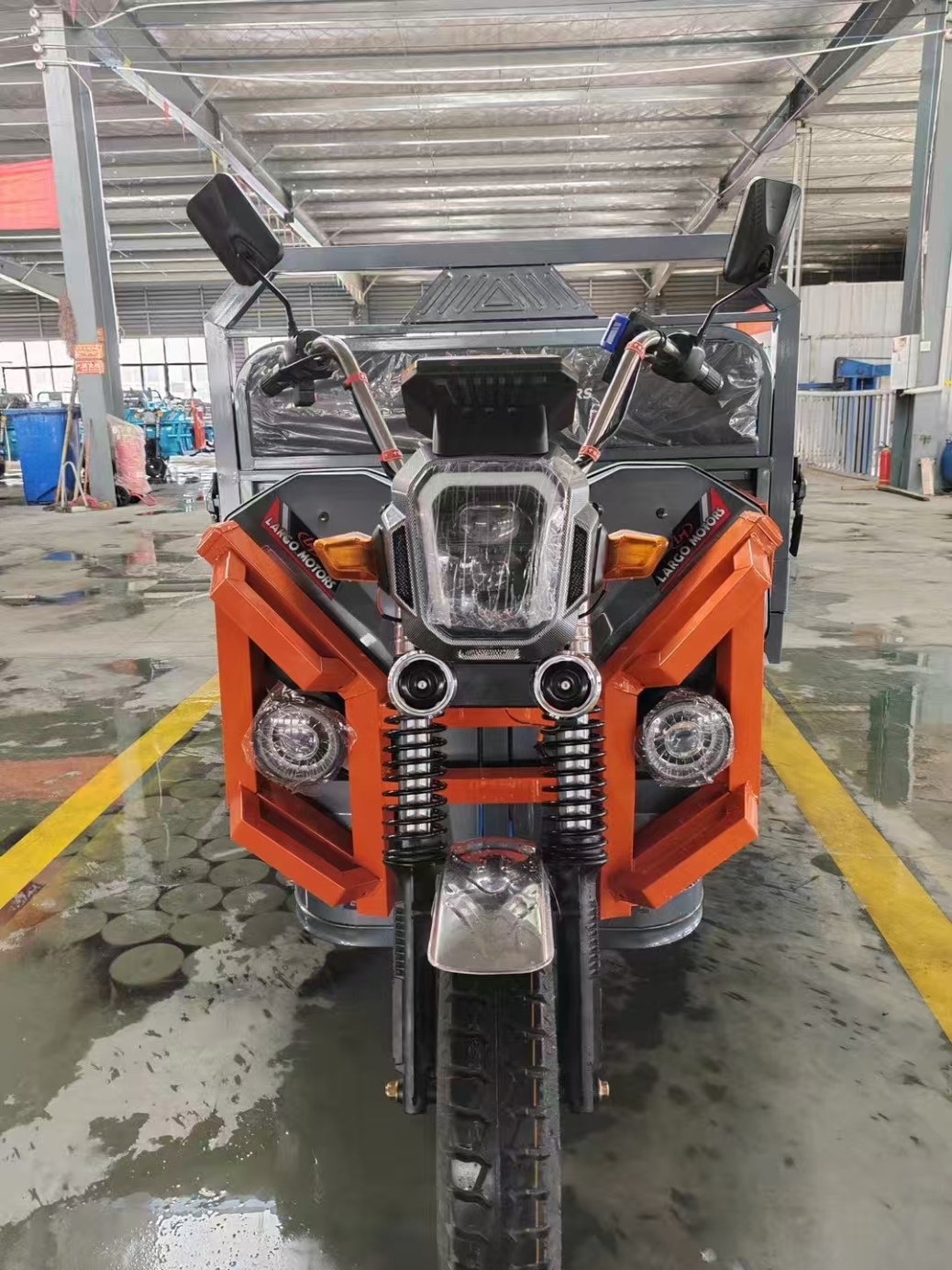
1200kg Heavy-Duty Electric Cargo Tricycle for Ports Industrial Yards Reinforced Structural
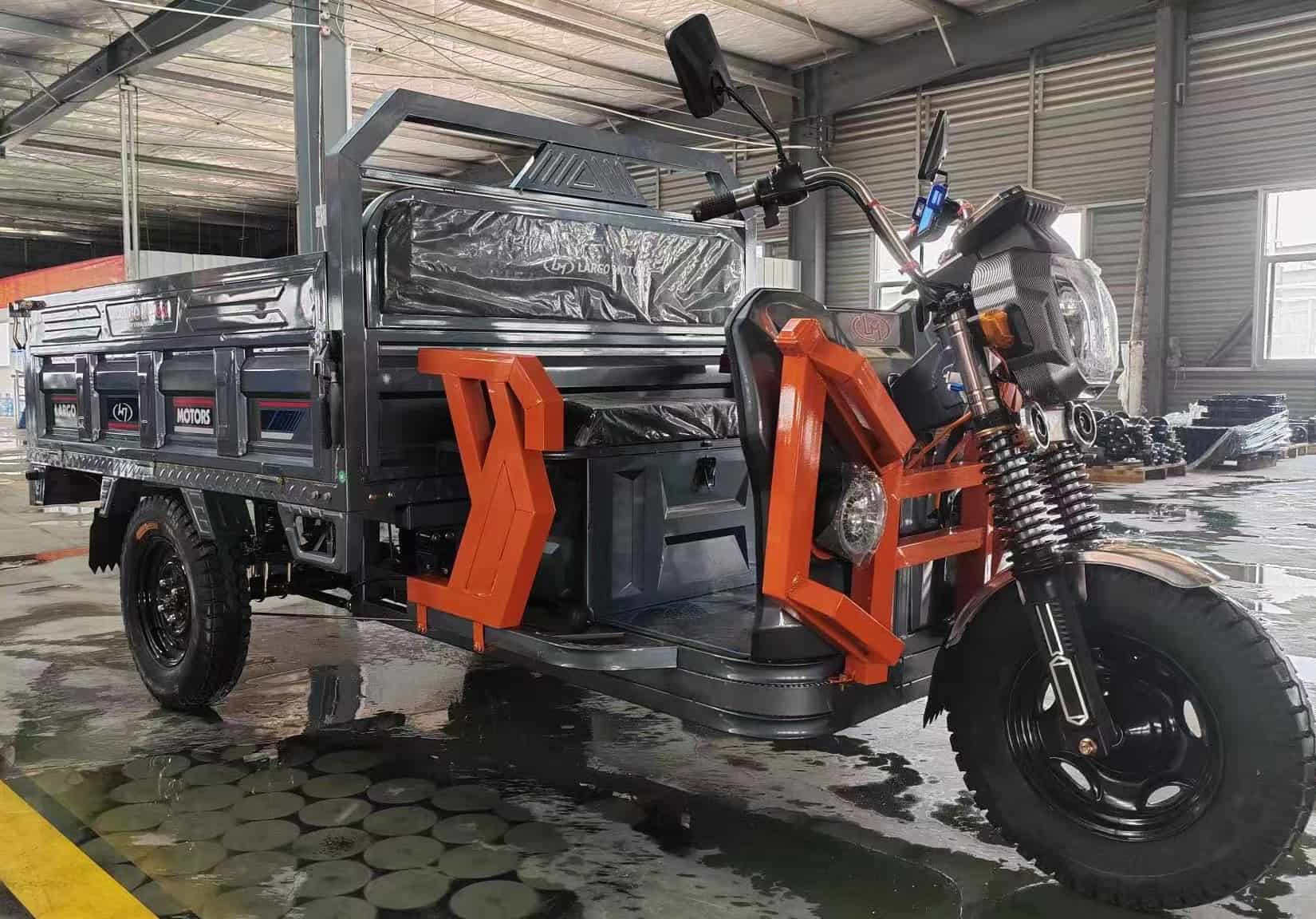
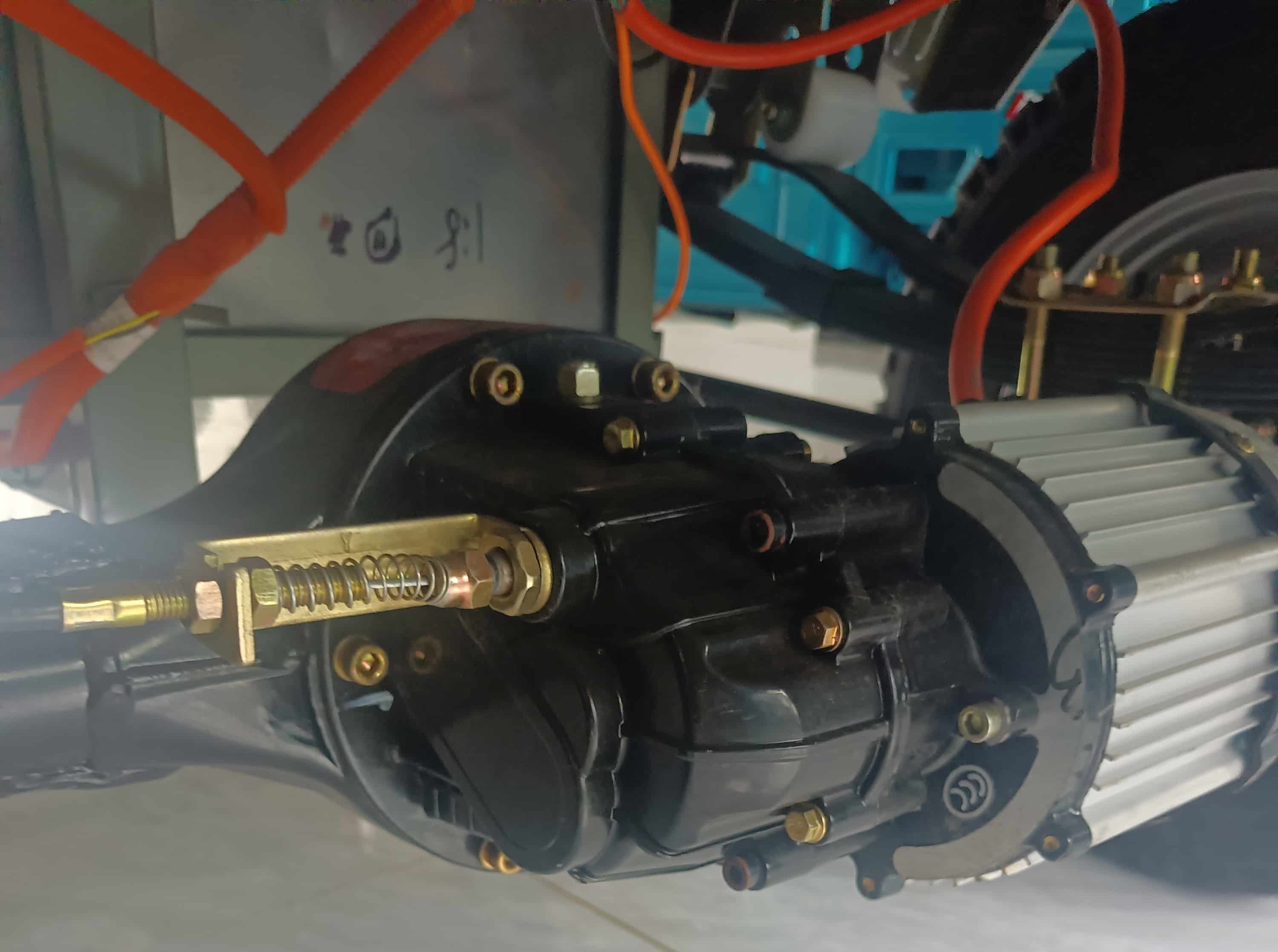
The L-HD 1200kg Heavy-Duty Version is engineered for port, yard, and industrial short-haul operations where structural load, repetitive cycles, and mechanical fatigue define operational risk. Built around reinforced chassis architecture, a 180 full-floating rear axle, and a high-torque 1500W PMSM powertrain, it delivers predictable uptime under sustained heavy-duty conditions.
Heavy-Duty Cargo Tricycle for Construction & Industrial Transport
This 1.8m heavy-duty electric cargo tricycle is designed for construction sites, industrial yards, and bulk material transport.
With a 1200kg load capacity, reinforced structural platform, and durable drivetrain system, it delivers reliable performance under continuous heavy-load operation.
Built for users who value durability, stability, and long-term operational reliability.
1. Application Scenarios
Designed for Heavy-Duty Transport Tasks
Suitable for:
- Construction material transport (sand, gravel, bricks)
- Timber and equipment delivery
- Agricultural bulk goods movement
- Feed and raw material transport
- Industrial yard logistics
Common environments:
- Construction sites
- Farms & plantations
- Industrial parks
- Rural and uneven roads
2. 1200kg Heavy Load Platform
Built for Repetitive High-Load Operation
- Cargo Box: 1800 × 1300 mm
- Rated Load: 1200kg
- Reinforced steel cargo structure
Designed for:
- Continuous heavy-load cycles
- Bulk material transport
- Reduced deformation under repeated use
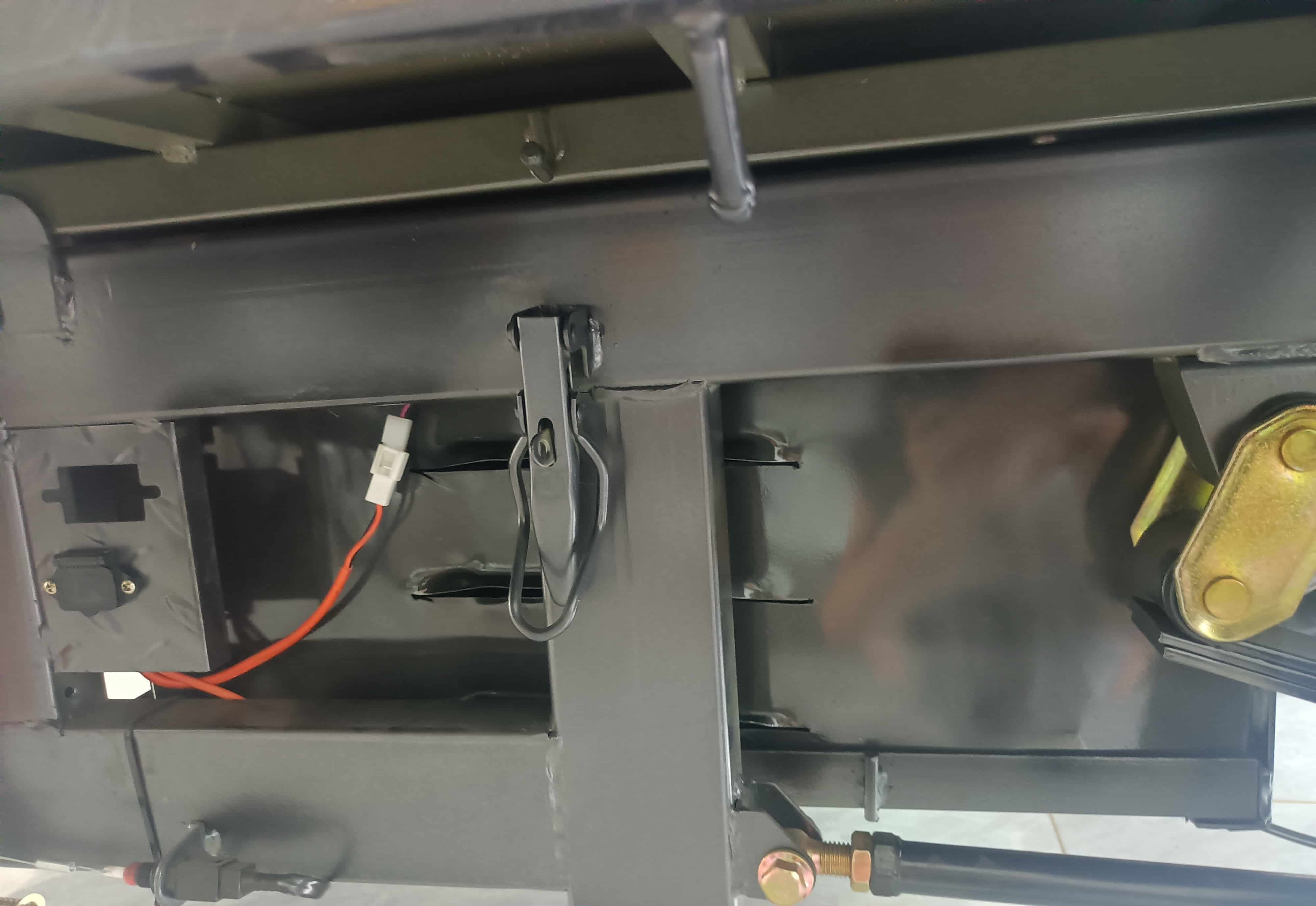
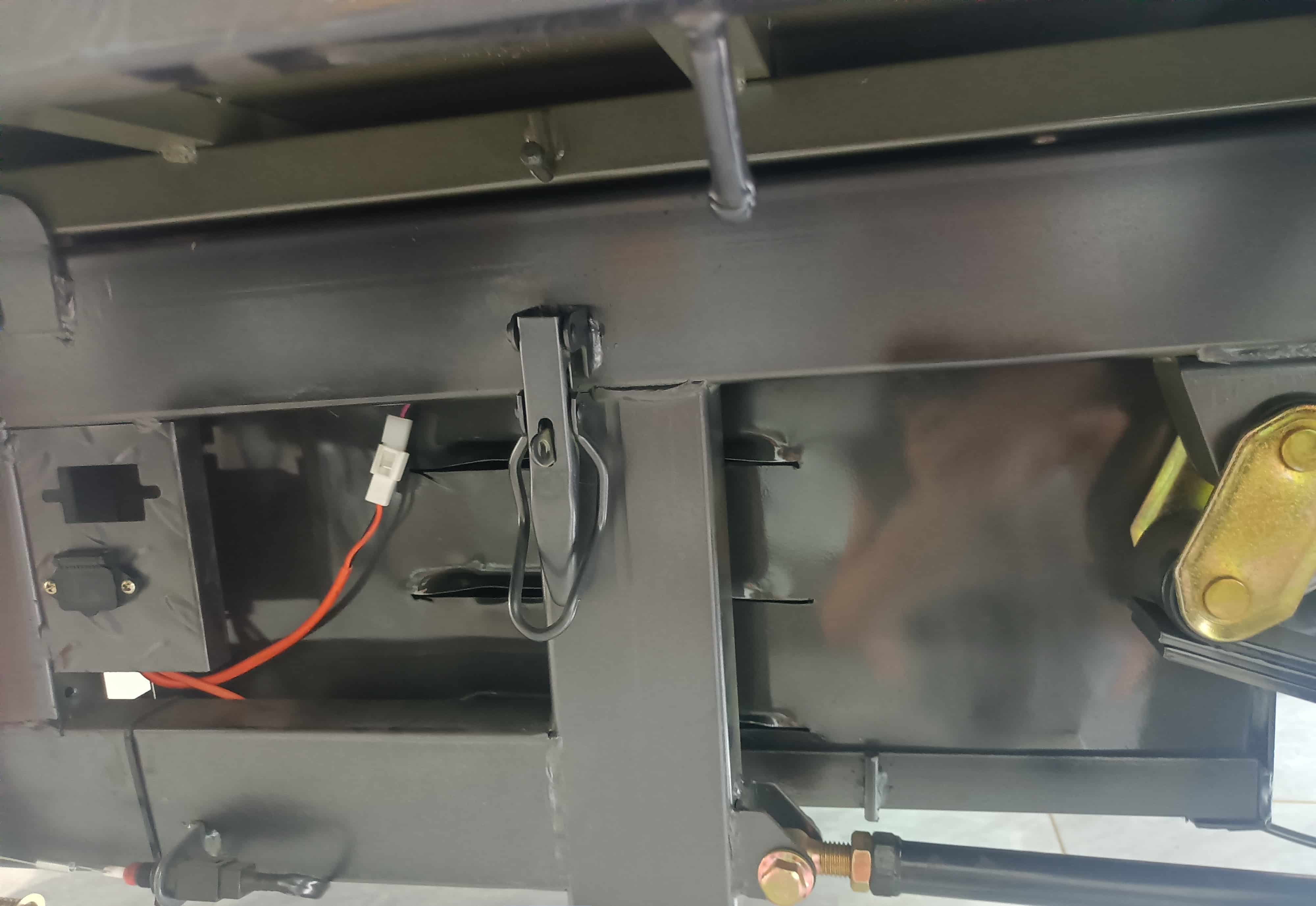
3. Reinforced Structural Design
Stability Under Real Working Conditions
- Strengthened chassis structure
- Reinforced load-bearing frame
- Optimized weight distribution
Delivers:
- Stable driving under full load
- Reduced structural fatigue
- Longer service lifespan
4. Hydraulic Dumping System
Faster, Safer Unloading
- Three-way hydraulic tipping
- One-touch operation
- Multi-direction unloading
Benefits:
- Reduces manual labor
- Improves unloading efficiency
- Ideal for sand, soil, and agricultural goods
5. Heavy-Duty Driving Stability
Engineered for Rough Terrain
- Full-floating rear axle system
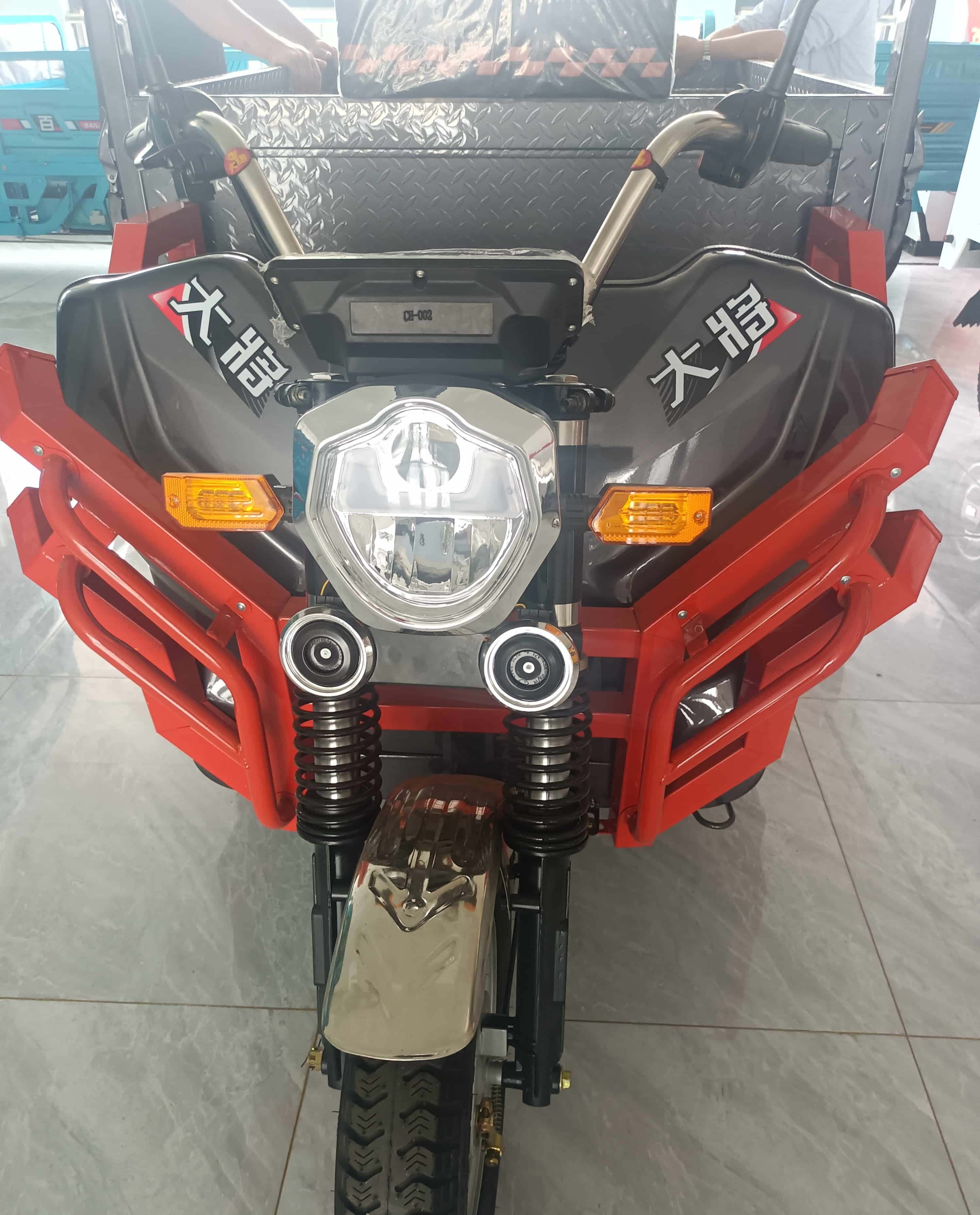
- Reinforced suspension system
- Industrial-grade tires
Provides:
- Better load balance
- Reduced vibration on uneven roads
- Improved driving stability under heavy load
6. Power & Performance
- Motor: 1500W PMSM
- Battery: 72V (configurable)
- Range: 50–55 km
- Max Speed: 40 km/h
- Charging Time: 6–8 hours
Balanced for:
- High torque output
- Stable heavy-load operation
- Daily industrial use
7. Technical Specifications
Item | Specification |
Overall Size | 3270 × 1395 × 1425 mm |
Cargo Box | 1800 × 1300 mm |
Load Capacity | 1200 kg |
Motor | 2000W PMSM |
Battery | 72V (configurable) |
Range | 50–55 km |
Max Speed | 40 km/h |
Weight(without battery) | 275kg |
Battery | Lead-acid batteries |
Battery wight | 60A58AH |
Optional battery | Lithium battery |
Front Brake system | 130 Interchangeable drum brake |
Rear shock system | 180drum brake |
shock absorption |
φ43 External spring shock absorption |
Frame | Double-layer double-beam split frame |
Cargo Box size(mm) | 1.8m*1.3m |
Ground clearance | 230 |
Turning radius | 45* |
Wheelbase | 2260 |
Rear track (mm) | 1160 |
Front tire size | 450-12Heavy-duty tires |
Rear tire size | 500-12Heavy-duty tires |
Loading quantity(SKD)(40HQ) | 24PCS |
Loading quantity(CKD)(40HQ) | 47 PCS |
Delivery time | 25-34 Days |
Why Choose This Model
✔ Designed specifically for heavy-load environments
✔ Reduces manual unloading time with hydraulic dump
✔ Stable under repeated 1200kg load cycles
✔ Lower long-term maintenance risk compared to light-duty vehicles
⚠ When This Model Is NOT the Best Fit
This model may be oversized if your operation:
- Requires light-duty daily transport
- Operates in narrow urban environments
- Prioritizes low cost over durability
�� In these cases, a 1.5M or 1.6M standard model may be more suitable.
Call to Action
Not sure if this is the right configuration for your operation?
�� Talk to us about your working conditions —
we’ll help you match the right vehicle, not just sell a model.