
Sep 22, 2026Buyer Decision Center
Importing Electric Cargo Tricycles to Europe: A Practical PPWR Packaging Guide for Importers
Learn how the EU PPWR affects electric cargo tricycle imports to Europe. Discover five practical packaging checks, CKD/SKD strategies, and supplier evaluation tips to reduce logistics costs
Importing Electric Cargo Tricycles to Europe: A Practical PPWR Packaging Guide for Importers
Executive Summary
If you're planning to import electric cargo tricycles into Europe, packaging is no longer just about protecting products during transportation.
With the implementation of the EU Packaging and Packaging Waste Regulation (PPWR), European importers are paying increasing attention to packaging efficiency, recyclability and the information provided by overseas suppliers. Poor packaging planning can lead to higher logistics costs, additional packaging waste management and greater compliance pressure throughout the supply chain.
This guide explains the five packaging areas every European importer should evaluate before placing an order with an overseas electric cargo tricycle manufacturer. It also shares how optimized packaging design, together with CKD and SKD export solutions, can help improve transportation efficiency while preparing for future European packaging requirements.
The Hard Truth: Packaging Compliance Doesn't End at the Factory
Many importers assume that export packaging is entirely the manufacturer's responsibility.
In reality, packaging compliance is a shared responsibility across the supply chain.
Although Chinese manufacturers design and prepare export packaging, the company placing packaged products on the EU market—including the European importer or the legally responsible economic operator—may have obligations under EU packaging legislation, depending on the specific business model and market arrangement.
For this reason, packaging should become part of your supplier evaluation process, rather than something discussed only after production is complete.
Before confirming an order, importers should understand:
- How the vehicle is protected during international transportation
- Whether unnecessary packaging materials have been minimized
- How CKD or SKD solutions improve packaging efficiency
- Whether packaging information can be provided when required
- Whether the supplier has experience supporting European customers
Choosing a supplier with a clear packaging strategy can help reduce logistics risks, improve transportation efficiency and better prepare your business for evolving European packaging requirements.
Why Packaging Evaluation Should Be Part of Every Purchase Order
In the past, most purchasing decisions focused on:
- Vehicle specifications
- Battery capacity
- Motor performance
- FOB price
- Delivery time
Today, experienced importers are expanding that checklist.
Packaging has become another important factor because it directly affects:
- Container utilization
- Transportation costs
- Warehouse handling
- Packaging waste management
- Long-term compliance preparation
The most competitive suppliers are no longer those who simply manufacture vehicles—they are the ones who understand how those vehicles successfully enter the European market.
The best packaging solution is not the one that uses the least material—it is the one that uses the right materials in the right places while protecting the product throughout international transportation.
5 Practical Packaging Checks Before Placing Your Next Order
1. Evaluate Packaging Design—Not Just Packaging Quantity
Electric cargo tricycles are large industrial vehicles with painted body panels, cabin doors, windscreens and sensitive electrical components. During international transportation, effective protection is essential to prevent scratches, vibration damage and moisture exposure.
However, some traditional export packaging methods rely on adding more plastic wrapping, foam or filler materials rather than optimizing the packaging structure itself.
The EU Packaging and Packaging Waste Regulation (PPWR) encourages a more efficient approach—using packaging materials where they provide real protection while avoiding unnecessary packaging and excessive empty space.
Why This Matters
Poor packaging design may lead to:
- Lower container utilization
- Higher logistics costs
- More packaging waste
- Increased packaging management responsibilities
- Greater long-term compliance pressure
The objective is not to use less packaging at all costs. It is to use the right packaging materials in the right places.
What to Ask Your Chinese Supplier Before Placing an Order
Is protection engineered or simply added?
Does the supplier protect high-risk areas individually, or is the entire vehicle wrapped with multiple layers of disposable plastic?
Can every packaging material be justified?
A professional supplier should explain the function of each material, such as:
- Scratch protection
- Shock absorption
- Moisture resistance
- Component separation
Does the packaging strategy differ for CBU, SKD and CKD shipments?
Packaging should be adapted to the shipment method rather than using a single solution for every order.
How we Approaches Packaging
For US, we believe export packaging should be engineered, not overbuilt.
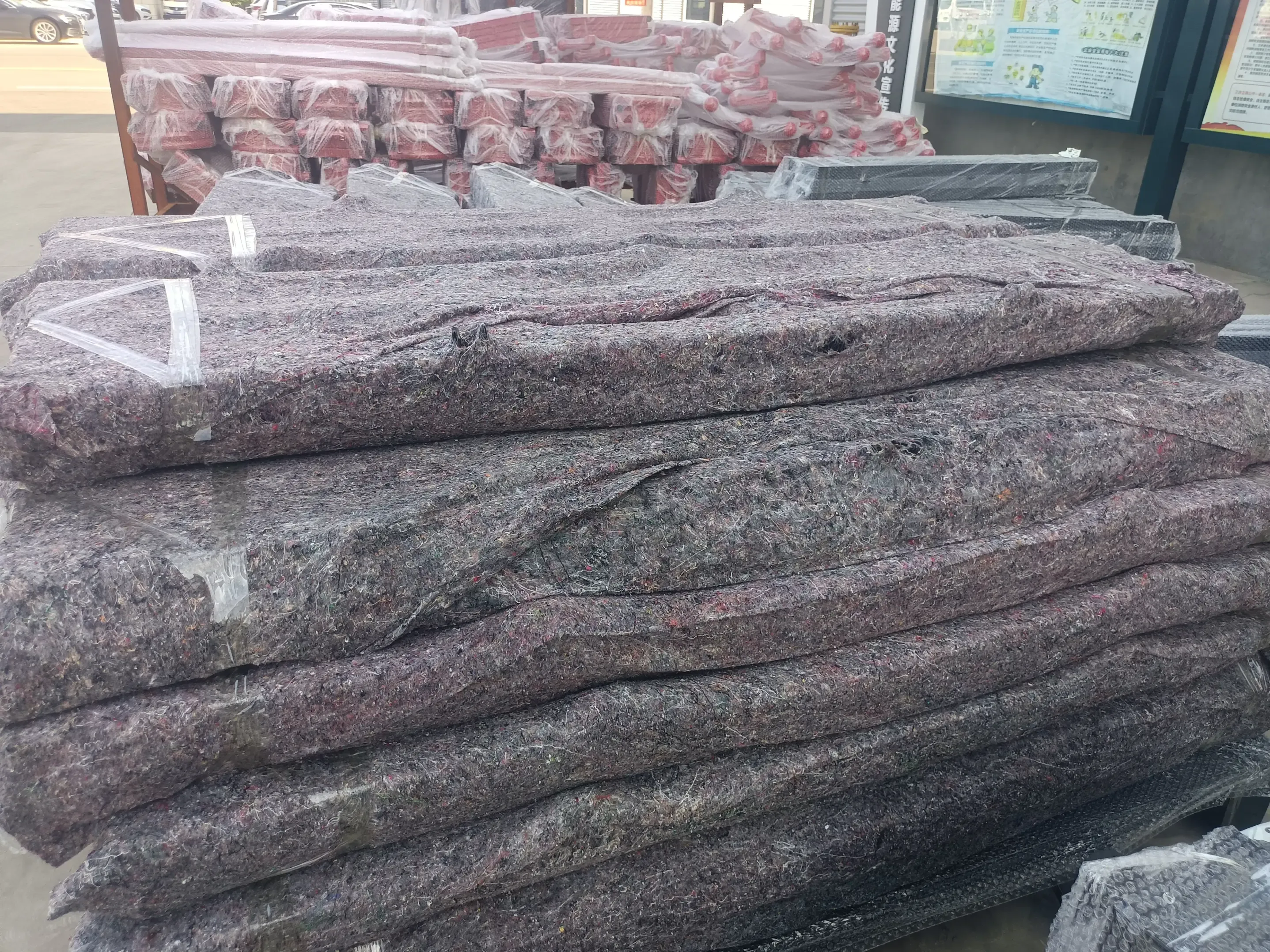
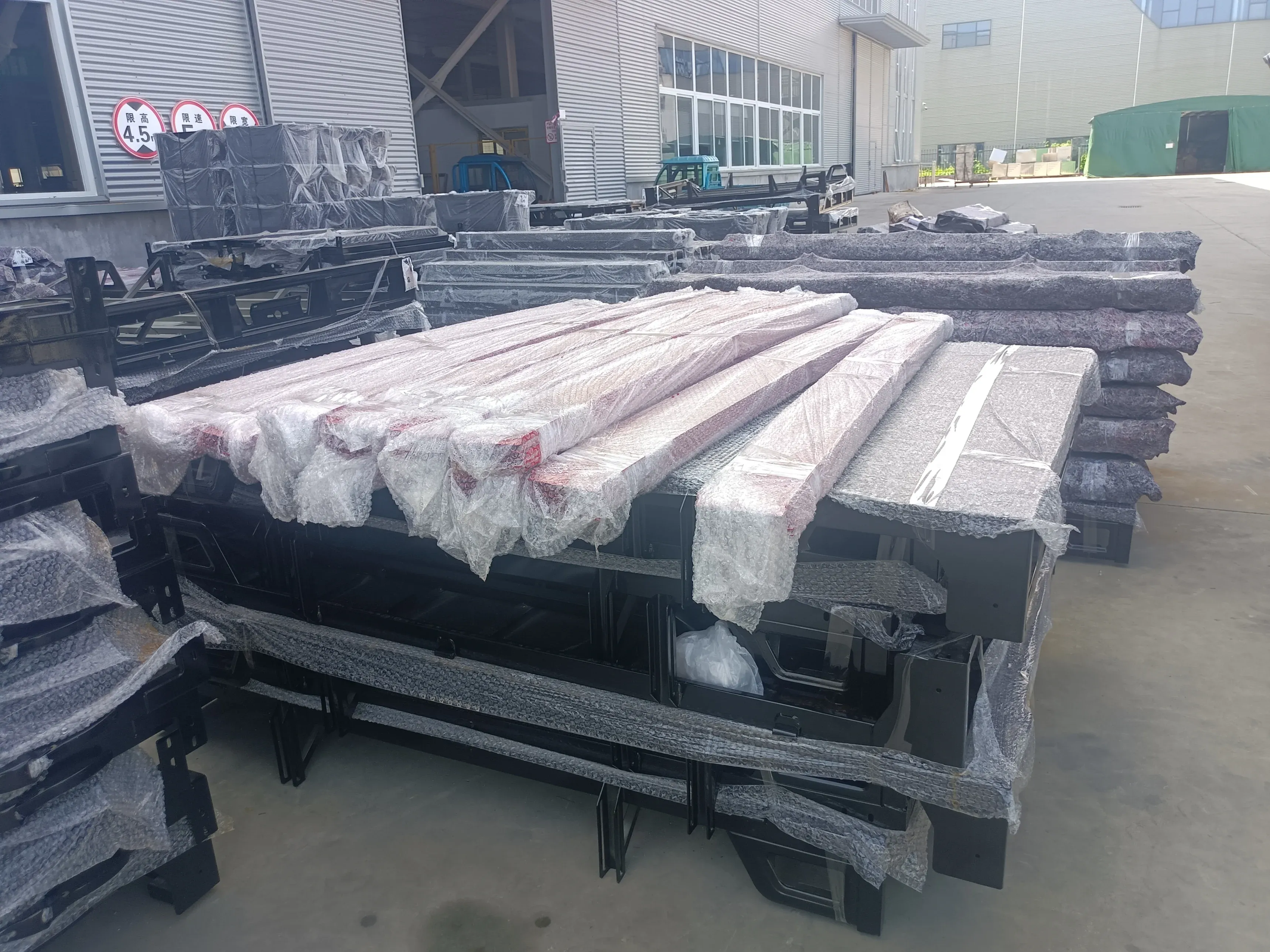
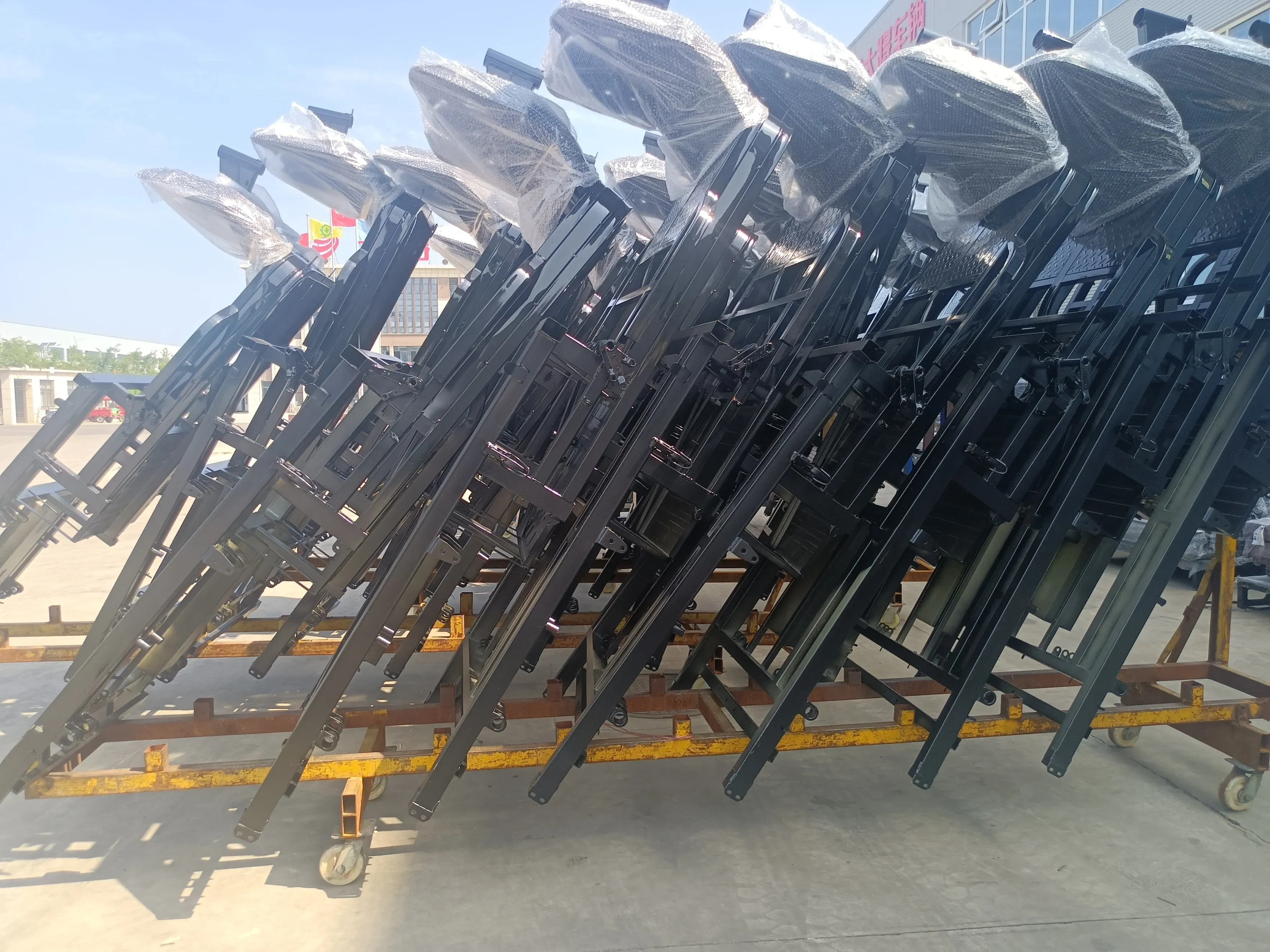
We are gradually increasing the use of heavy-duty protective blankets to protect painted body panels while applying bubble wrap selectively where additional cushioning is genuinely required, such as around glass, exposed electrical connectors and vulnerable contact points.
Combined with optimized SKD and CKD packaging layouts, this approach helps improve transportation efficiency while reducing unnecessary packaging materials.
2. Reduce Your Total Landed Cost—Don't Pay to Ship Empty Space
For European importers, ocean freight is one of the largest components of the total landed cost of an electric cargo tricycle.
While freight rates fluctuate, one factor remains under your supplier's control:
How efficiently each vehicle is packaged and loaded into the container.
Poor packaging design often results in unnecessary empty space, reducing the number of vehicles that can be loaded into a 40HQ container. The result is simple:
Fewer units per container = Higher freight cost per vehicle.
Instead of focusing only on the vehicle price, experienced importers also evaluate how the chosen supply model affects transportation efficiency.
Choosing the Right Shipping Method
Shipping Method | Packaging Characteristics | Importer's Benefit |
CBU (Completely Built Unit) | Vehicle shipped fully assembled. Limited flexibility for packaging optimization. | Quick delivery but generally lower container utilization. |
SKD (Semi Knocked Down) | Major components partially disassembled for more efficient loading. | Good balance between logistics efficiency and local assembly. |
CKD (Completely Knocked Down) | Vehicle shipped as individual components with optimized packing layouts. | Maximum container utilization and greater flexibility for local assembly projects. |
Why Packaging Efficiency Matters
A well-designed packaging solution does much more than protect the vehicle.
It can help importers:
- Improve container utilization
- Reduce freight cost per vehicle
- Lower warehouse handling time
- Reduce packaging waste after unloading
- Improve inventory planning
Packaging should therefore be viewed as part of your logistics strategy—not simply as a protective layer.
How We Improves Loading Efficiency
At HANRIDE, packaging design starts long before the container is loaded.
For CKD and SKD shipments, we optimize:
- Component arrangement
- Loading sequence
- Protection methods
- Container space utilization
Instead of relying on oversized packaging or unnecessary fillers, components are arranged according to their dimensions to maximize available container space while maintaining safe transportation.
For distributors importing multiple units, this approach helps improve logistics efficiency and supports a lower total landed cost over time.
3. Does PPWR Ban Bubble Wrap? Not Exactly.
One of the most common misconceptions about PPWR is that plastic packaging materials such as bubble wrap are no longer allowed.This is not how the regulation should be understood.
For industrial products such as electric cargo tricycles, protective materials remain essential for preventing damage during international transportation.The key consideration is not whether plastic is used, but how it is used.
Packaging materials should provide genuine protection while avoiding unnecessary use of disposable materials wherever practical.
A Smarter Packaging Strategy
Rather than relying on a single packaging material for the entire vehicle, effective export packaging combines different protection methods according to the characteristics of each component.
Packaging Purpose | Traditional Practice | Our Optimized Approach |
Painted Body Panels | Multiple layers of disposable plastic film | Heavy-duty protective blankets with additional protection where required |
Glass & Sensitive Components | Full-vehicle bubble wrapping | Bubble wrap applied only to vulnerable areas |
Structural Fixing | Disposable plastic strapping | Recycleability plastic strapping |
Component Protection | Uniform packaging for all parts | Protection selected according to transportation risk |
Why This Matters for European Importers
Using more packaging materials does not automatically create better protection.
The objective should be:
- Protect the product effectively
- Improve transportation efficiency
- Reduce unnecessary packaging materials
- Prepare for evolving European packaging expectations
For electric cargo tricycles, the most effective solution is rarely "more packaging."
It is better-designed packaging.
Experienced importers no longer evaluate suppliers only by the vehicle price. They compare the total landed cost—including packaging efficiency, container utilization, local handling costs and long-term logistics performance.
Example:
A distributor planning to import 60 electric cargo tricycles may achieve very different logistics results depending on whether the vehicles are shipped as CBU, SKD or CKD. While the exact loading capacity depends on the vehicle model and packaging configuration, optimizing the shipment method can significantly improve container utilization and reduce the average logistics cost per unit.
4. Turn Better Packaging into a Competitive Advantage with CKD & SKD
Rather than trying to optimize the packaging of a fully assembled vehicle, many European importers are rethinking the entire supply model.
Increasingly, distributors are choosing CKD (Completely Knocked Down) or SKD (Semi Knocked Down) solutions—not only to improve logistics efficiency, but also to create a more flexible packaging strategy aligned with evolving European packaging expectations.
Unlike fully assembled vehicles, CKD and SKD shipments allow packaging to be designed around individual components instead of a fixed vehicle structure.
This creates opportunities to improve container utilization, reduce unnecessary packaging materials and support a more efficient import process.
Comparing Different Supply Models
Supply Model | Packaging Characteristics | Business Benefits |
CBU (Completely Built Unit) | Fixed vehicle dimensions with limited packaging flexibility | Faster deployment but lower container utilization |
SKD (Semi Knocked Down) | Major assemblies packed separately | Good balance between transportation efficiency and local assembly |
CKD (Completely Knocked Down) | Components packed according to size and transport requirements | Maximum container utilization and greater flexibility for long-term distributors |
Why More European Importers Are Choosing CKD & SKD
A well-designed CKD or SKD solution can help importers:
- Improve container loading efficiency
- Reduce freight cost per vehicle
- Apply protection only where it is actually needed
- Simplify warehouse handling
- Support local assembly and customization
Depending on the destination country's customs regulations and tariff classifications, CKD shipments may also receive different customs treatment compared with fully assembled vehicles. Importers should always confirm the applicable rules in their target market.
The real advantage of CKD and SKD is not simply using less packaging—it's designing packaging more intelligently.
Why European Importers Work with Us?
At HANRIDE, we believe export packaging is part of the product—not something added at the end of production.
Our approach combines product protection, logistics efficiency and long-term partnership to help distributors build a more competitive supply chain.
European Market Experience
We support distributors with:
- EEC-certified vehicle solutions
- Export documentation
- VIN and WMI support
- European market experience
Engineered Export Packaging
Rather than relying on excessive disposable materials, we continue optimizing our packaging strategy by:
- Increasing the use of heavy-duty protective blankets
- Applying bubble wrap only where additional protection is required
- Improving component arrangement for SKD and CKD shipments
- Optimizing container loading efficiency
Our goal is to achieve the right balance between product protection, packaging efficiency and future European packaging expectations.
Flexible Supply Models
Whether you are testing a new market or developing long-term local assembly operations, we provide:
- SKD solutions
- CKD solutions
allowing distributors to choose the approach that best fits their business model.
Packaging Is No Longer Just a Cost—It Is a Competitive Advantage
For many years, packaging was viewed simply as a transportation expense.
Today, it influences much more than freight costs.
A well-designed packaging strategy can help importers:
- Improve container utilization
- Reduce unnecessary material usage
- Simplify warehouse operations
- Lower logistics costs
- Better prepare for future European packaging requirements
Choosing the right supplier is therefore no longer only about finding the lowest vehicle price.
It is about finding a partner who understands the complete export process.
Frequently Asked Questions
Who is responsible for packaging compliance under the PPWR?
Responsibility depends on the specific supply chain structure and the applicable national implementation of EU packaging legislation. Depending on the business model, importers or other responsible economic operators may have obligations relating to packaging placed on the EU market.
Does PPWR ban bubble wrap?
No.Protective materials such as bubble wrap can still be used for industrial products where appropriate.The focus is on reducing unnecessary packaging and improving packaging efficiency—not eliminating all plastic packaging.
Can CKD and SKD reduce my logistics costs?
In many cases, yes.By improving container utilization and allowing components to be packed more efficiently, CKD and SKD solutions can help reduce transportation costs per vehicle while improving overall logistics efficiency.The actual savings depend on the vehicle model, packaging configuration and shipping route.
What information should I request before placing an order?
Ask your supplier for:
- Vehicle certification documents
- Packaging material information
- Container loading plans
- CKD/SKD options
- Protection methods for key components
These documents help you better evaluate both logistics performance and supplier capability.
How does HANRIDE help European importers?
HANRIDE provides more than electric cargo tricycles.We work with customers to optimize export packaging, container loading, CKD/SKD solutions and European market preparation, helping distributors build a more efficient and reliable import supply chain.
Ready to Plan Your Next Shipment?
Whether you are comparing CBU, SKD or CKD solutions, reviewing packaging strategies or preparing for future European packaging requirements, our team is ready to help.
Contact US to discuss a packaging and export solution tailored to your European market.