
Oct 19, 2026Field Insights
Why Do Electric Cargo Tricycle Prices Vary So Much?
Discover why electric cargo tricycle prices vary by hundreds of dollars. Learn how batteries, motors, frames, cargo bodies and manufacturing standards affect cost, performance and long-term value.
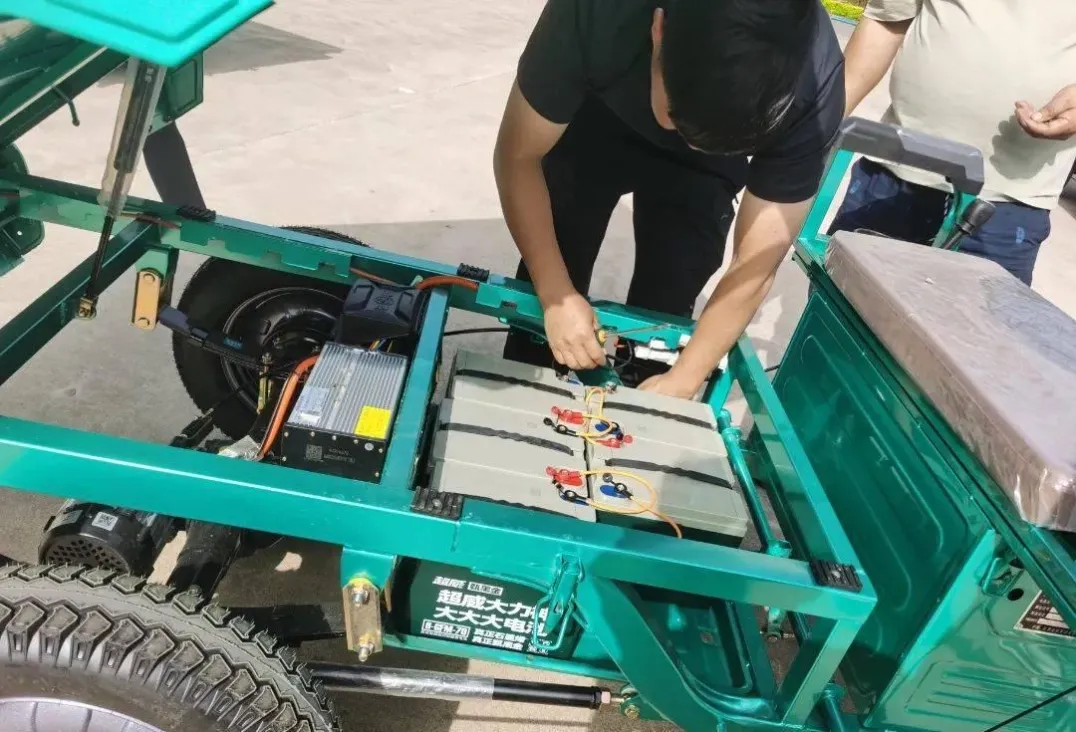
Why Do Electric Cargo Tricycle Prices Vary So Much?
1. Why Can Similar Electric Cargo Tricycles Have Prices That Differ by Hundreds of Dollars?
When sourcing electric cargo tricycles from different Chinese suppliers, you may encounter a surprising price difference. Two vehicles look similar, have comparable cargo box dimensions and list similar motor power, yet one supplier quotes $700 while another quotes $900.
Which one offers better value?
Product photos, maximum payload and nominal motor power alone cannot provide a reliable answer. These details do not fully reveal the materials, component specifications, manufacturing processes or actual performance of the vehicles.
Price differences usually come from three main factors: component specifications and quality, overall vehicle configuration, and manufacturing and quality control standards.
A lower price does not automatically mean lower quality, just as a higher price does not guarantee a better vehicle. The key is to understand what each quotation includes and whether the two vehicles are genuinely comparable.
2. Which Components Have the Greatest Impact on Electric Cargo Tricycle Costs?
An electric cargo tricycle is more than a frame fitted with a motor and battery. The specifications of its individual components affect manufacturing costs, load capacity, driving range, service life and maintenance requirements.
2.1 Frame and Cargo Body: Similar Appearance, Different Construction
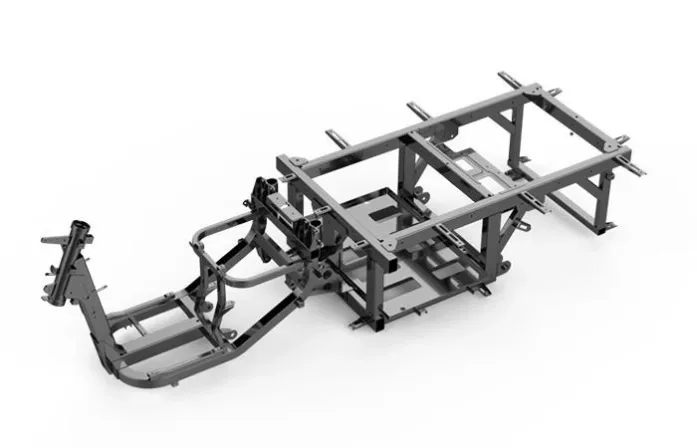
The frame is the foundation of the vehicle. Steel specifications, tube thickness, structural design, welding quality and corrosion protection all influence manufacturing costs.
Cargo bodies also vary significantly. Flatbeds, side-panel cargo boxes, enclosed bodies and hydraulic dump bodies require different materials and manufacturing processes. Dump models may also need hydraulic pumps, cylinders and associated control components.
When comparing quotations, do not focus on external dimensions alone. Consider the frame construction, cargo body materials, intended payload and whether the vehicle is designed for frequent heavy-duty operation.
2.2 Motor and Controller: The Same Rated Power Does Not Guarantee the Same Performance
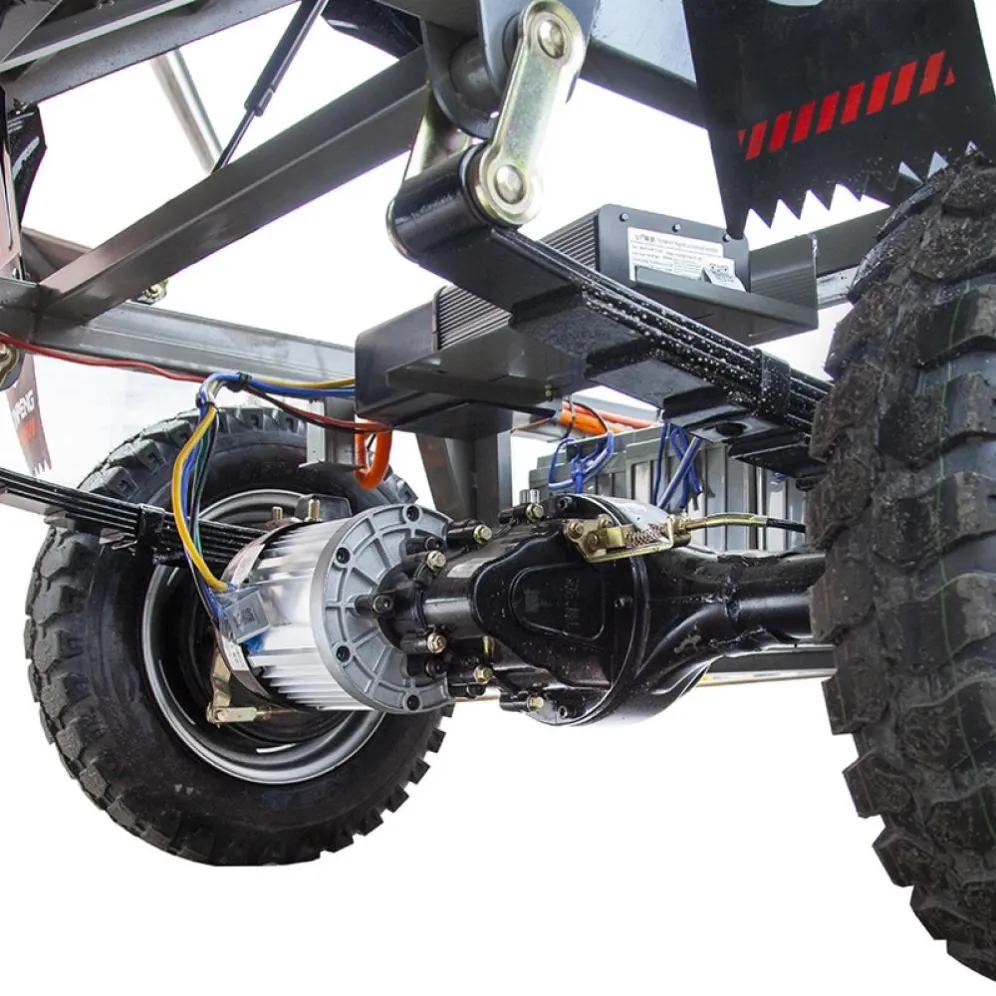
The motor and controller work together to determine power delivery, acceleration, hill-climbing ability and operating efficiency.
When comparing quotations, confirm the motor type, rated power, peak power where applicable, and controller specifications. Make sure the figures provided by different suppliers refer to the same technical definitions.
For example, two suppliers may list the same motor power while using different motor designs or controller configurations. Their continuous performance and suitability for demanding operating conditions may therefore differ.
If the vehicle will operate on slopes, carry heavy loads or stop and start frequently, explain these requirements to the supplier rather than providing only a maximum payload figure.
2.3 Battery: Voltage Alone Does Not Determine Driving Range
The battery system is an important component of an electric cargo tricycle's cost. Lead-acid and lithium batteries differ in cost, weight, maintenance requirements and operating characteristics. Even batteries using the same technology can vary in capacity, cell quality, battery management systems (BMS) and pack design.
Buyers should confirm the battery chemistry, voltage, capacity in amp-hours (Ah), supplier and relevant battery management specifications.
Voltage alone does not indicate battery capacity. For example, a 72V battery does not necessarily provide a longer driving range than a 60V battery. Battery energy is generally assessed using both voltage and capacity, while actual range also depends on payload, road conditions, speed, temperature and driving habits.
If a supplier advertises a specific driving range, ask about the testing conditions. A claimed maximum range is not necessarily representative of everyday commercial operation.
2.4 Other Components and Manufacturing Standards: Small Differences Can Matter
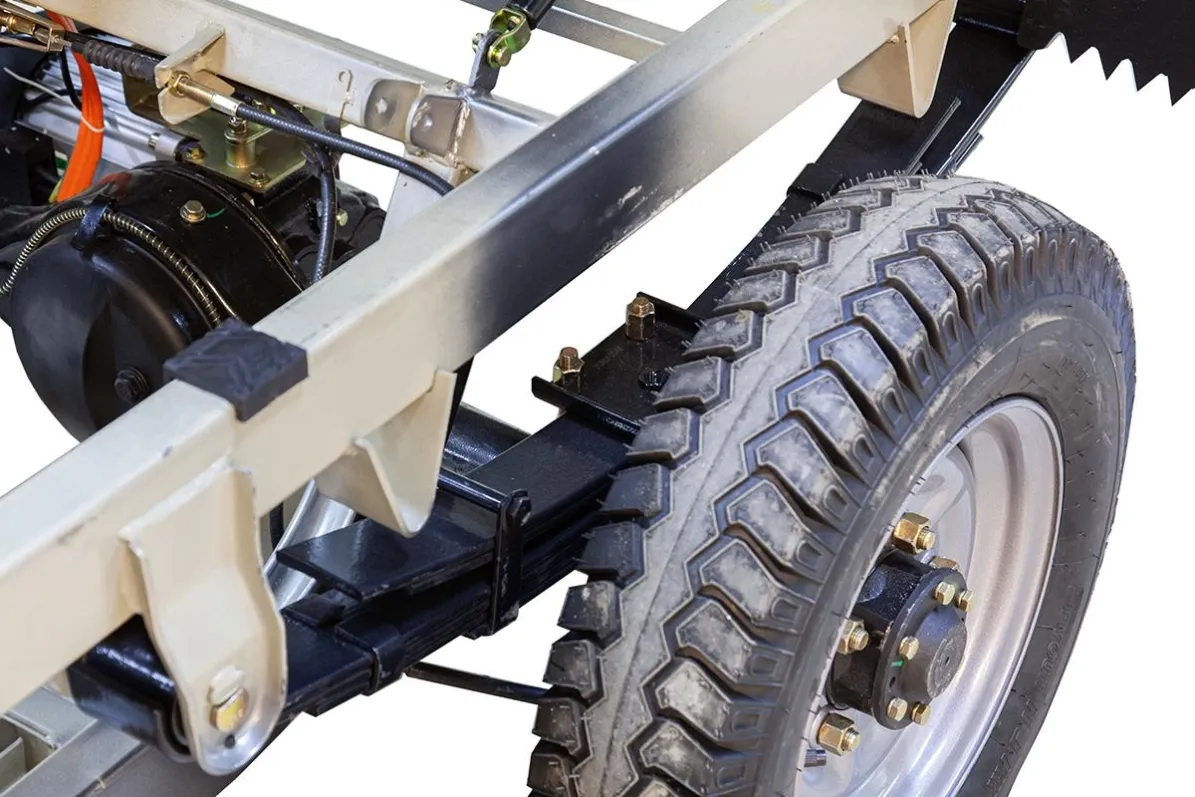
Tires, suspension, braking systems, wiring harnesses, lights, dashboards and electrical connectors also contribute to the total cost.
Manufacturing labor, welding and painting processes, assembly procedures, final inspection and vehicle testing can create further differences between suppliers.
However, these differences cannot be judged from price alone. Buyers should evaluate the specifications, technical documentation, inspection records and, where appropriate, actual test results.
3. Electric Cargo Tricycle Cost Breakdown: Where Does the Money Go?
Why can two similar-looking electric cargo tricycles have substantially different prices? One important reason is that the specifications of the battery, powertrain, frame and cargo body directly affect manufacturing costs.
The following table provides an illustrative cost breakdown to help buyers understand the main cost categories. The percentages are indicative estimates for discussion, not verified industry averages or fixed standards applicable to every electric cargo tricycle.
Major Cost Component | Indicative Share of Vehicle Manufacturing Cost | Potential Impact of Lower Specifications |
Battery system | 25%–35% | Lower capacity may reduce driving range. Differences in cell quality, BMS or battery pack design may affect service life, performance consistency and safety. |
Motor and controller | 12%–20% | Different motor or controller specifications may affect power delivery, hill-climbing ability, loaded performance and operating efficiency. |
Frame and chassis | 10%–18% | Changes in material specifications, structural design or corrosion protection may affect load-bearing performance, durability and corrosion resistance. |
Cargo body and bodywork | 6%–15% | Differences in materials, thickness and construction may affect durability, resistance to deformation and service life. |
Axle, tires, suspension and braking system | 10%–20% | Components that are not suited to the vehicle's load requirements may affect stability, braking performance and long-term reliability. |
Electrical system and other components | 5%–10% | Differences in wiring, connectors, lights and switches may affect electrical reliability, durability and maintenance requirements. |
Assembly, inspection and packaging | 7%–12% | Differences in assembly procedures, final inspection and packaging may affect product consistency, defect detection and protection during transportation. |
Note: These ranges are illustrative and have not been established through a standardized industry cost survey. They are not intended to add up to 100% when the upper or lower limits are combined. Actual cost shares depend on the vehicle model, battery technology, payload class, configuration, production volume and factory accounting methods. A reliable breakdown requires model-specific bill of materials (BOM) and manufacturing cost data. Manufacturing cost should also be distinguished from the final quotation, which may include factory overhead, profit and other charges. FOB quotations may include additional export-related costs, while freight and import duties depend on the applicable trade terms and destination.
The table highlights why the battery and powertrain deserve particular attention, although their relative importance varies by model. For example, battery configuration can significantly affect vehicle cost, while a hydraulic system may represent a major additional cost for a dump tricycle.
It is also important to distinguish between reasonable cost optimization and inappropriate specification reductions. Choosing a smaller battery that still meets the customer's daily operating requirements may be a sensible way to reduce costs. The concern is when a supplier changes key specifications without clearly disclosing the changes, or selects components that cannot meet the vehicle's intended operating conditions.
When two quotations differ by hundreds of dollars, the first step is therefore to identify the configuration differences before deciding whether the price gap is justified.
4. How Can Buyers Determine Whether Two Quotations Are Comparable?
Before comparing prices, prepare a consistent technical specification checklist.
Step 1: Standardize the main specifications.
Compare the vehicle model, cargo box dimensions, payload requirements, motor specifications, battery configuration and tire specifications. Similar product photos do not prove that two vehicles use equivalent components.
Step 2: Request clear component specifications.
For components with a significant impact on cost and performance, ask for model numbers, technical specifications or supporting documentation. Descriptions such as "high-quality motor" or "large-capacity battery" are not sufficient for a meaningful comparison.
Step 3: Separate configuration differences from supplier differences.
If two vehicles have different configurations, the price gap may be explained by differences in materials or components. If their main specifications are broadly equivalent, examine manufacturing processes, quality control and the exact scope of each quotation.
Step 4: Confirm what the quotation includes.
Check the quoted model, order quantity, optional equipment and other charges. Trade terms such as EXW and FOB must also be clearly identified. Otherwise, the quotations may not represent the same purchasing scope or total cost.
Buyers can ask suppliers the following questions:
- What materials and construction methods are used for the frame and cargo body?
- What are the motor's rated and peak power specifications?
- What are the battery chemistry, voltage and capacity?
- Can the supplier provide model numbers or specifications for key components?
- What inspections and vehicle tests are conducted before delivery?
- Which configurations are included in the quotation, and which are optional?
A supplier's ability to explain these details helps buyers assess quotation transparency, although the answers should still be verified through technical documents and appropriate inspections.
5. Choosing an Electric Cargo Tricycle: Look Beyond the Lowest Price
For importers, distributors and fleet buyers, purchasing decisions should go beyond the unit price. The vehicle must suit the destination market, payload requirements, operating environment and expected frequency of use. Its key components must also meet the demands of the intended application.
A lower-priced vehicle may be an excellent choice if its specifications adequately meet the buyer's needs. Conversely, a more expensive vehicle is not necessarily more reliable simply because its quotation is higher.
The most effective way to compare electric cargo tricycles is to standardize the specifications, verify the key components, and then evaluate the price and overall purchasing cost.
When two quotations look significantly different, do not immediately choose the cheapest option or assume the more expensive one offers better quality. First, understand where the differences come from. That is how you determine whether a quotation represents genuine value for your business.
For more product purchasing guidance, please read the following related articles.
How to Choose the Right Electric Cargo Tricycle for Your Business
Electric Cargo Tricycle Manufacturers in China: 2026 Sourcing Guide
How to Verify an Electric Cargo Tricycle Supplier Before Your First Order
How to Choose High-Quality Electric Tricycles for Internal Logistics Operations
How to Maximize Battery Lifespan in Port & Industrial Electric Tricycles: A Procurement Guide
Reducing TCO in Port Internal Logistics: How Define "High-Quality" Through Operational Certainty
Lead-Acid vs Lithium Battery: Which Is Right for Exporting Electric Tricycles?
How to Choose a Truly "Controllable" Electric Tricycle for last mile delivery
How to Make Your Electric Tricycle Run Longer: 12 Practical Maintenance Tips for Maximum Battery Life
How to Choose the Right Electric Tricycle: Port, City, and Home Applications Explained